DHL Germany Sets Historic Record with 12.4 Million Parcels in 24 Hours: A Testament to the Power of Digitized Logistics Infrastructure
In early December 2025, amidst the intense peak of the holiday shopping season, DHL Group’s Post & Parcel Germany division recorded an unprecedented historic milestone, solidifying its leadership position in the European logistics market. Specifically, on December 2, 2025, DHL’s network in Germany successfully processed approximately 12.4 million parcels within a single 24-hour window—a record figure that far surpasses previous highs and nearly doubles the processing volume of an average day. This colossal number not only reflects the explosive growth of e-commerce following Black Friday and Cyber Monday events but also serves as the ultimate “stress test” for the national shipping infrastructure. The fact that DHL navigated this challenge without encountering local bottlenecks or systemic failures is the clearest evidence of the effectiveness of its long-term strategy centered on technological investment and flexible scalability. For retailers and e-commerce businesses, this record provides a reassuring signal that the circulatory system of Europe’s largest economy remains operational and robust, even under the crushing weight of sudden surges in consumer demand.
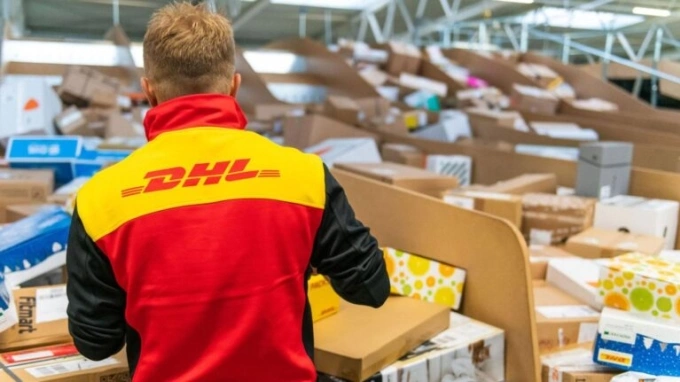
This success is not a product of luck or merely increasing manual labor; rather, it is the result of a multi-year modernization of logistics infrastructure focusing on automation and data management. To process 12.4 million shipments in a single day, DHL had to operate its network of high-tech parcel centers at maximum capacity, where automated conveyor belts and sorting robots worked tirelessly with near-absolute precision. Furthermore, demand forecasting capabilities driven by Artificial Intelligence (AI) allowed DHL to precisely allocate resources across specific regions, from deploying transit trucks to scheduling last-mile delivery personnel. The synergy between hard infrastructure (warehouses, fleets) and soft infrastructure (algorithms, data) enabled DHL to solve the logistics industry’s most perplexing puzzle: maintaining rapid delivery speeds while cargo volumes increase exponentially. Moreover, this record highlights a shift in consumer behavior in Germany and Europe, as shoppers increasingly rely on online platforms for urgent year-end needs, setting new standards for logistics providers regarding reliability and response speed.
Looking ahead to 2026, this record of 12.4 million parcels is not just a peak to be admired but will likely become the “new normal” for future peak seasons. This creates both pressure and motivation for DHL and its competitors to accelerate the greening of their supply chains. Notably, despite the skyrocketing volume, DHL maintained its commitment to sustainability goals through route optimization and the extensive use of its electric vehicle fleet. The key takeaway from this event for global enterprises is the critical importance of building a resilient supply chain. In the context of expanding cross-border e-commerce, the ability to handle peak loads seamlessly—as DHL demonstrated in Germany—will be the deciding factor in the success or failure of retail platforms, while simultaneously reshaping customer expectations for uninterrupted logistics services, regardless of timing or scale.
Related posts
-
The supply chain is playing a central role in the economy, but the breakdown has not been completely overcome. Over the past two years, disruptions to the global supply chain have led to a sharp drop in capacity and high freight rates, especially for container shipping. The Covid-19 pandemic has always been the main cause of...
View more
-
Four Technological Pillars Reshaping the FMCG Supply Chain Amidst the Perfect Storm of 2026 Entering 2026, the Fast-Moving Consumer Goods (FMCG) sector is facing a “perfect storm” created by the convergence of escalating operational costs, a severe shortage of logistics labor, and unpredictable shifts in consumer behavior, forcing businesses to comprehensively restructure based on four...
View more
-
Fidelity Fulfilment Fortifies US Presence: New Salt Lake City Hub Signals Strategic Shift to Inland Logistics for 2026 In a strategic maneuver designed to solidify its operational capabilities within the North American market, renowned third-party logistics (3PL) provider Fidelity Fulfilment has officially inaugurated its newest fulfillment center in Salt Lake City, Utah. The selection of...
View more
-
DHL Germany Sets Historic Record with 12.4 Million Parcels in 24 Hours: A Testament to the Power of Digitized Logistics Infrastructure In early December 2025, amidst the intense peak of the holiday shopping season, DHL Group’s Post & Parcel Germany division recorded an unprecedented historic milestone, solidifying its leadership position in the European logistics market....
View more