Category: News

  • Fidelity Fulfilment Fortifies US Presence: New Salt Lake City Hub Signals Strategic Shift to Inland Logistics for 2026

    Fidelity Fulfilment Fortifies US Presence: New Salt Lake City Hub Signals Strategic Shift to Inland Logistics for 2026

    Fidelity Fulfilment Fortifies US Presence: New Salt Lake City Hub Signals Strategic Shift to Inland Logistics for 2026

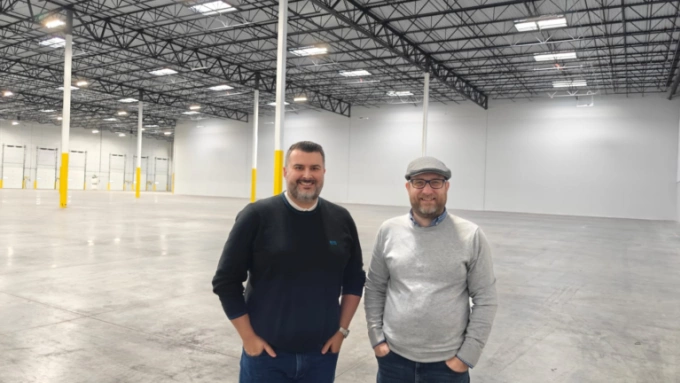
    In a strategic maneuver designed to solidify its operational capabilities within the North American market, renowned third-party logistics (3PL) provider Fidelity Fulfilment has officially inaugurated its newest fulfillment center in Salt Lake City, Utah. The selection of Utah as the next node in their network map is far from arbitrary; it is the result of meticulous geo-economic calculation. Salt Lake City, often dubbed the “Crossroads of the West,” boasts a prime location at the intersection of vital interstate highways (I-15 and I-80), enabling rapid access to both the densely populated West Coast states like California, Oregon, and Washington, as well as the expansive Midwest region. For Fidelity Fulfilment, this new hub acts as a critical “buffer,” alleviating pressure on coastal warehouses that frequently face congestion and skyrocketing storage costs. By positioning inventory in Utah, Fidelity commits to delivering 1-to-2-day ground shipping to a significant portion of the US population, significantly optimizing the “last-mile” equation that currently plagues e-commerce businesses.

    Delving into the operational structure, the new Salt Lake City center represents a substantial investment by Fidelity Fulfilment in modern infrastructure technology, reflecting the prevailing “Logistics 4.0” trend. This facility is not merely a storage warehouse but is designed as an integrated data and cargo processing plant. The advanced Warehouse Management System (WMS) deployed here is capable of real-time synchronization with major e-commerce platforms, ensuring inventory accuracy rates of up to 99.9%. Furthermore, the adoption of automation technologies in the picking and packing processes boosts order throughput multiples times over manual methods, which is particularly critical during peak shopping seasons like Black Friday or Christmas. The presence of this center allows Fidelity’s clients to execute a “distributed inventory” strategy more effectively, fragmenting stock to be as close to the end consumer as possible to leverage zone skipping, thereby reducing shipping costs and improving profit margins for online sellers amidst fierce price competition.

    From a broader perspective, Fidelity Fulfilment’s expansion in Utah is a clear indicator of the shifting US supply chain trends for the 2025-2026 period: moving away from sole reliance on coastal mega-cities to push deeper inland. As e-commerce continues to claim a larger share of total retail sales and consumers grow increasingly impatient with long delivery times, 3PLs are compelled to build networks that are both flexible and extensive. The Salt Lake City center not only solves the speed dilemma but also serves as an excellent risk mitigation strategy against disruptions such as natural disasters or labor strikes at West Coast ports. With this new facility, Fidelity Fulfilment not only enhances its own competitiveness but also empowers D2C (Direct-to-Consumer) and B2B brands with the ability to access the US market more quickly, cost-effectively, and reliably. This is an essential preparation to meet the explosive demand forecast for 2026, a time when logistics is solidified as the core competitive weapon for every retail enterprise.
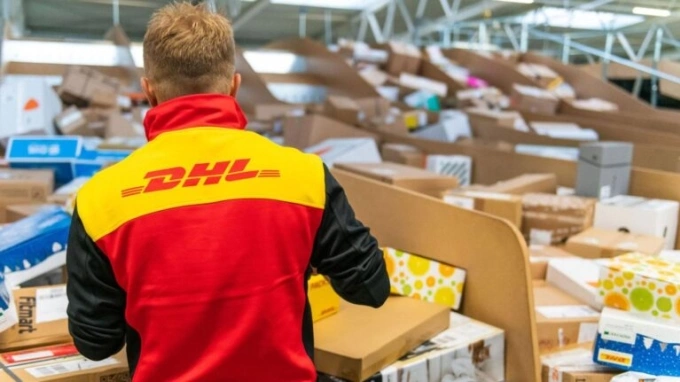

  • DHL Germany Sets Historic Record with 12.4 Million Parcels in 24 Hours: A Testament to the Power of Digitized Logistics Infrastructure

    DHL Germany Sets Historic Record with 12.4 Million Parcels in 24 Hours: A Testament to the Power of Digitized Logistics Infrastructure

    DHL Germany Sets Historic Record with 12.4 Million Parcels in 24 Hours: A Testament to the Power of Digitized Logistics Infrastructure

    In early December 2025, amidst the intense peak of the holiday shopping season, DHL Group’s Post & Parcel Germany division recorded an unprecedented historic milestone, solidifying its leadership position in the European logistics market. Specifically, on December 2, 2025, DHL’s network in Germany successfully processed approximately 12.4 million parcels within a single 24-hour window—a record figure that far surpasses previous highs and nearly doubles the processing volume of an average day. This colossal number not only reflects the explosive growth of e-commerce following Black Friday and Cyber Monday events but also serves as the ultimate “stress test” for the national shipping infrastructure. The fact that DHL navigated this challenge without encountering local bottlenecks or systemic failures is the clearest evidence of the effectiveness of its long-term strategy centered on technological investment and flexible scalability. For retailers and e-commerce businesses, this record provides a reassuring signal that the circulatory system of Europe’s largest economy remains operational and robust, even under the crushing weight of sudden surges in consumer demand.

    This success is not a product of luck or merely increasing manual labor; rather, it is the result of a multi-year modernization of logistics infrastructure focusing on automation and data management. To process 12.4 million shipments in a single day, DHL had to operate its network of high-tech parcel centers at maximum capacity, where automated conveyor belts and sorting robots worked tirelessly with near-absolute precision. Furthermore, demand forecasting capabilities driven by Artificial Intelligence (AI) allowed DHL to precisely allocate resources across specific regions, from deploying transit trucks to scheduling last-mile delivery personnel. The synergy between hard infrastructure (warehouses, fleets) and soft infrastructure (algorithms, data) enabled DHL to solve the logistics industry’s most perplexing puzzle: maintaining rapid delivery speeds while cargo volumes increase exponentially. Moreover, this record highlights a shift in consumer behavior in Germany and Europe, as shoppers increasingly rely on online platforms for urgent year-end needs, setting new standards for logistics providers regarding reliability and response speed.

    Looking ahead to 2026, this record of 12.4 million parcels is not just a peak to be admired but will likely become the “new normal” for future peak seasons. This creates both pressure and motivation for DHL and its competitors to accelerate the greening of their supply chains. Notably, despite the skyrocketing volume, DHL maintained its commitment to sustainability goals through route optimization and the extensive use of its electric vehicle fleet. The key takeaway from this event for global enterprises is the critical importance of building a resilient supply chain. In the context of expanding cross-border e-commerce, the ability to handle peak loads seamlessly—as DHL demonstrated in Germany—will be the deciding factor in the success or failure of retail platforms, while simultaneously reshaping customer expectations for uninterrupted logistics services, regardless of timing or scale.

  • Four Technological Pillars Reshaping the FMCG Supply Chain Amidst the Perfect Storm of 2026

    Four Technological Pillars Reshaping the FMCG Supply Chain Amidst the Perfect Storm of 2026

    Four Technological Pillars Reshaping the FMCG Supply Chain Amidst the Perfect Storm of 2026

    Entering 2026, the Fast-Moving Consumer Goods (FMCG) sector is facing a “perfect storm” created by the convergence of escalating operational costs, a severe shortage of logistics labor, and unpredictable shifts in consumer behavior, forcing businesses to comprehensively restructure based on four key pillars: Artificial Intelligence (AI), Compliance, Consolidation, and Sustainability. In this context, AI is no longer a passive forecasting tool based on historical data but has evolved into the central “brain” of the supply chain with prescriptive analytics capabilities. Advanced AI systems can now synthesize real-time data from social media, weather forecasts, and geopolitical fluctuations to automatically make cargo coordination decisions, minimizing the “bullwhip effect” that causes phantom inventory or supply disruptions. For Third-Party Logistics (3PL) providers, integrating AI into operations not only accelerates order processing but also creates a “self-healing” capability for the supply chain, allowing the system to automatically reroute shipments during disruptions without manual human intervention, ensuring the flow of goods from distribution centers to retail shelves remains continuous and stable.

    Parallel to the AI revolution, the twin factors of “Compliance” and “Retail Consolidation” are becoming vital keys to optimizing profit margins and maintaining relationships with powerful retailers. With the explosion of Stock Keeping Unit (SKU) counts and the pressure for same-day delivery, compliance requirements such as On-Time In-Full (OTIF) metrics, labeling specifications, and Advanced Shipping Notices (ASNs) have become stricter than ever; any error can lead to heavy fines or even delisting. To address the cost challenge in this environment, the strategy of “Retail Consolidation” is emerging as a lifeline, particularly for small and medium-sized enterprises. Instead of shipping costly and slow Less-than-Truckload (LTL) shipments, modern 3PLs are consolidating cargo from multiple different suppliers into single Full Truckloads (FTL) destined for the same location. Real-world data indicates that a single consolidated shipment can replace an average of 34 partial loads, helping to slash transport costs by 20-30% and cutting delivery times from an average of 5 days to just 2 days, creating competitive advantages in speed and cost previously available only to multinational corporations.

    Finally, the overarching factor influencing all logistics activities in 2026 is Sustainability, which has shifted from a Corporate Social Responsibility (CSR) goal to a mandatory market and legal requirement. New-generation consumers increasingly demand transparency regarding the carbon footprint of the products they purchase, while governments are beginning to apply stricter environmental taxes on transport activities. Consequently, green logistics is not merely about using electric vehicles or recycled packaging, but about the comprehensive optimization of networks to minimize “empty miles” and resource waste. Successful FMCG companies in 2026 will be those that know how to transform environmental pressures into drivers for innovation, utilizing route optimization algorithms to simultaneously reduce emissions and fuel costs. Collectively, the synergy of AI intelligence, compliance precision, consolidation efficiency, and sustainability commitment will be the sole formula for FMCG businesses to not only survive but vigorously thrive in the volatile economic landscape of 2026.

  • A New Era for Vietnam’s Packaging Industry: From the 2026 Hanoi Forum to Global Integration in Shenzhen

    A New Era for Vietnam’s Packaging Industry: From the 2026 Hanoi Forum to Global Integration in Shenzhen

    A New Era for Vietnam’s Packaging Industry: From the 2026 Hanoi Forum to Global Integration in Shenzhen

    Strategic Context and the Dawn of a New Industrial Alliance

    As we navigate the final days of 2025, the global economic landscape is witnessing an unprecedented restructuring of supply chains, with Southeast Asia—and Vietnam in particular—emerging as the world’s new manufacturing hub. However, this rising status comes with an existential challenge: the technological obsolescence of supporting industries, most notably the packaging sector. Within this context, the “Vietnam-China Forum: Connecting and Developing Smart Packaging 2026,” scheduled for January 7, 2026, in Hanoi, represents far more than a mere trade gathering; it serves as the opening salvo in a national strategy to comprehensively modernize production infrastructure. Organized under the auspices of prestigious bodies such as the Vietnam Packaging Association (VINPAS) and the Vietnam Pulp and Paper Association (VPPA), the event is designed to quench the domestic industry’s “thirst” for technology. This is a pivotal moment where Vietnamese enterprises must re-evaluate their standing: will they remain low-cost processors using outdated machinery, or will they transform into high-value supply chain links? The Hanoi Forum provides the answer, acting as a direct bridge connecting Vietnamese businesses to the “tech capital” of Shenzhen, thereby creating momentum for participation in the global WEPACK exhibition series.

    The “Smart Packaging” Revolution and Global Green Imperatives

    The core focus of the forum, and indeed the dominant trend for the 2026-2030 period, is the ascendancy of “Smart Packaging” and “Green Packaging.” Experts at the forum will delve deep into the reality that modern packaging is no longer just a container, but has evolved into a data communication device. With the integration of RFID chips, variable QR codes, and IoT sensors, smart packaging enables transparent traceability, anti-counterfeiting measures, and direct consumer interaction—now mandatory requirements for demanding markets like the EU and the US. Simultaneously, pressure from new-generation free trade agreements (such as EVFTA and CPTPP) is forcing Vietnamese factories to adhere to strict ESG (Environmental, Social, and Governance) standards. Reports presented at the forum will demonstrate that without investment in automated corrugated production lines, ink-saving digital printing technologies, and biodegradable material solutions, Vietnamese firms face the very real risk of being excised from the supply chains of multinational giants like Samsung, Apple, or Nike. Consequently, the search for equipment solutions from international supply chains—specifically advanced yet cost-effective technology from China—has become more urgent than ever.

    The Roadmap from Hanoi to Shenzhen and the 2030 Vision

    The conclusion of the Hanoi forum is not an end, but the commencement of a journey to the global stage through the formation of the Vietnam Delegation to attend the SinoCorrugated South 2026 exhibition (part of WEPACK) in Shenzhen in April 2026. This is a strategic maneuver intended to allow Vietnamese business owners to witness firsthand the scale of the global packaging industry, accessing over 1,500 leading equipment and technology suppliers across a sprawling 120,000 square meters. This connection is vital: it enables Vietnamese companies to leapfrog the trial-and-error phase and move directly to adopting proven technologies, thereby narrowing the productivity gap with the region. The year 2026 is shaped up to be the “golden time” for digital transformation and green transition. The success of the Vietnam-China Forum will be measured not merely by the number of contracts signed, but by the shift in the mindset of business leaders: moving from passive production to value creation, ultimately elevating Vietnam’s packaging industry from a “follower” to an equal partner capable of competing squarely on the global industrial map.

  • Ulive – Trusted Supplier of Vietnamese Supply Chain Products in the U.S.

    Ulive – Trusted Supplier of Vietnamese Supply Chain Products in the U.S.

    Ulive – Trusted Supplier of Vietnamese Supply Chain Products in the U.S.


    About Ulive

    Ulive LLC is a leading importer and distributor of high-quality Vietnamese products in the U.S. market, specializing in the nail, spa, and consumer goods industries. With a professional supply chain system and fulfillment warehouses in the U.S., Ulive ensures fast, safe, and cost-effective importation, distribution, and delivery processes.


    Key Product Categories

    Ulive offers a diverse range of products to support business and consumer needs:

    • Professional nail tools: Drills, LED lamps, gel polishes, artistic brushes, etc.

    • Salon & nail chairs: Modern massage chairs, pedicure chairs meeting international standards.

    • Vietnamese dry goods: Tea, coffee, snacks, and packaged foods with authentic flavors.

    • Premium cotton towels: Spa towels, hotel towels, and beauty industry towels.

    MÔ HÌNH THIẾT KẾ TIỆM NAIL – SPA NAIL- BEAUTY SPA- THẢM MỸ HIỆN ĐẠI HỢP XU  HƯỚNG - Ghenaildep.comMÔ HÌNH THIẾT KẾ TIỆM NAIL – SPA NAIL- BEAUTY SPA- THẢM MỸ HIỆN ĐẠI HỢP XU  HƯỚNG - Ghenaildep.com937 × 752


    Why Choose Ulive?

    1. Optimized supply chain

      • U.S.-based warehouses reduce delivery times and logistics costs.

    2. Authentic, high-quality products

      • Direct partnerships with reputable Vietnamese manufacturers ensure a stable supply.

    3. Competitive pricing

      • Cost-effective solutions to help businesses optimize import expenses.

    4. 100% cargo insurance

      • Guaranteed product safety throughout the transportation process.

    5. Smart ordering system

      • Advanced technology for quick and convenient order placement.

    6. Customer information security

      • Strict data protection policies ensure absolute customer confidentiality.


    Import-Export Trends & Potential of Vietnamese Goods in the U.S.

    • Nail & beauty industry in the U.S.: Over 30,000 nail salons in the U.S. are primarily owned by Vietnamese entrepreneurs, creating a strong demand for nail tools, salon chairs, and spa products.

    • Vietnamese consumer goods gaining popularity: U.S. consumers increasingly prefer Vietnamese products like coffee, herbal teas, and dry foods due to their exceptional quality.

    • Trade agreements boosting opportunities: Free trade agreements facilitate Vietnamese goods’ access to the U.S. market with lower import tariffs.


    Partner with Ulive

    Ulive welcomes collaborations with businesses, distributors, and nail salon owners in the U.S. to deliver quality products at competitive prices. If you’re looking for a reliable, stable supply source with fast shipping, Ulive is your ideal choice.

    📞 Contact us today for more details!

  • Global Import-Export Trends: Key Updates on the US and Vietnam

    Global Import-Export Trends: Key Updates on the US and Vietnam

    The Global Trade Landscape in 2025

    In 2025, global trade continues to recover and evolve despite challenges such as geopolitical tensions and economic uncertainties. The World Trade Organization (WTO) recently reported a moderate growth of 2.5% in international trade volume, driven by robust demand in emerging markets and technological advancements in supply chain management.

    Việt Nam xuất khẩu gì sang Mỹ - thị trường xuất khẩu lớn nhất?

    Highlight: US and Vietnam’s Trade Partnership

    • The US remains one of the largest importers of goods globally, with a total import value exceeding $3 trillion in 2024. Key imports include electronics, automobiles, and consumer goods.
    • Vietnam, as a dynamic player in Southeast Asia, has cemented its role as a major exporter to the US, contributing significantly with textiles, electronics, and agricultural products. Bilateral trade between the two nations reached a record $139 billion in 2024, showcasing strong economic ties.

    Key Drivers of Vietnam’s Export Growth

    1. Free Trade Agreements (FTAs): Vietnam has leveraged FTAs like CPTPP and RCEP to enhance market access and reduce trade barriers.
    2. Tech-Driven Manufacturing: The rapid adoption of Industry 4.0 technologies has increased efficiency in Vietnam’s manufacturing sector.
    3. Diverse Export Portfolio: From high-tech electronics to traditional products like coffee and seafood, Vietnam has diversified its exports to minimize risks.

    The US Import Landscape

    1. Resilient Consumer Demand: Despite inflationary pressures, the US consumer market remains strong, with rising demand for electronics, apparel, and furniture.
    2. Focus on Sustainability: US importers are prioritizing sustainable and ethically sourced products, creating opportunities for exporters adhering to ESG standards.
    3. Supply Chain Resilience: Businesses in the US are increasingly adopting near-shoring and friend-shoring practices to secure supply chains, a move that benefits partners like Vietnam.

    Challenges and Opportunities

    • Global Shipping Costs: While freight rates have stabilized compared to pandemic-era peaks, they remain higher than pre-2020 levels, impacting trade margins.
    • Regulatory Changes: US policies on anti-dumping and countervailing duties require exporters to adapt swiftly to maintain competitiveness.
    • Digital Trade: Both nations are exploring e-commerce and digital platforms to streamline trade processes and reach new markets.

    Future Outlook

    The trade relationship between the US and Vietnam is poised to grow stronger in the coming years. Vietnam’s strategic position as a manufacturing hub and the US’s vast consumer market form a complementary partnership. Experts predict a 10% annual increase in bilateral trade by 2026, driven by innovation, sustainability, and mutual economic goals.

    Conclusion
    As global trade adapts to new norms, the US and Vietnam stand out as leaders in fostering resilience and cooperation. Businesses in both nations have a golden opportunity to thrive by embracing technology, sustainability, and diversified strategies.

  • The United States is Vietnam’s largest export market.

    The United States is Vietnam’s largest export market.

    In the first 9 months of 2024, Vietnam’s trade surplus with the US market reached the highest level, followed by the EU and Japanese markets.

    According to the report of the Ministry of Industry and Trade, with the recovery of the world market and increased export orders, our country’s import and export activities in the first 9 months of 2024 have improved and achieved positive results.

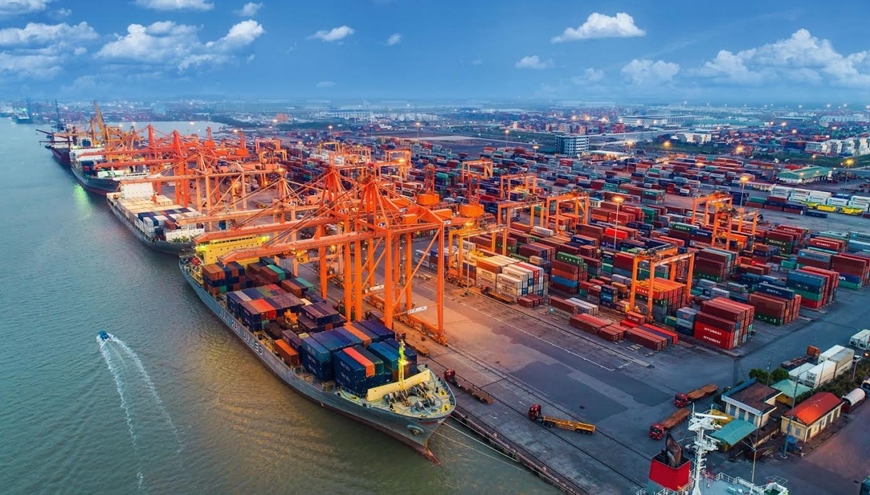
    Customs clearance of goods at the port. Photo: Duc Duy/Vietnam+

    In September 2024, the total preliminary import and export turnover of goods reached 65.81 billion USD, although down 8% compared to the previous month, it still increased by 10.9% compared to the same period last year.

    In the first 9 months, the total preliminary import-export turnover of goods reached 578.47 billion USD, up 16.3% over the same period last year (down 11% over the same period), of which exports increased by 15.4% (down 8.2% over the same period); imports increased by 17.3% (down 13.9% over the same period). The trade balance of goods had a surplus of 20.79 billion USD.

    Notably, exports continued to grow strongly and evenly in all 3 groups of goods. Specifically, the preliminary export turnover of the agricultural, forestry and fishery group reached 28.8 billion USD, up 21.9% over the same period in 2023, accounting for 9.6% of the total export turnover of the country.

    The preliminary export turnover of the processed and manufactured industrial goods group reached 253.9 billion USD, accounting for 84.7% of the total export turnover and increasing by 15.2% over the same period in 2023 (the same period in 2023 decreased by 9.6%). The export turnover of the mineral fuel group in the first 9 months is estimated at 3.1 billion USD, an increase of 3% over the same period in 2023.

    Regarding the market, in the first 9 months of 2024, the export turnover to most markets and major trading partners of our country has recovered positively and achieved high growth. In particular, the United States is Vietnam’s largest export market with an estimated turnover of 89.4 billion USD, accounting for 29.8% of the total export turnover of the country and increasing by 27.4% over the same period last year (the same period in 2023 decreased by 17.6%); Next is the Chinese market, estimated at 43.56 billion USD, a slight increase of 0.1% over the same period last year (the same period in 2023 increased by 2%); the EU market is estimated at 38.1 billion USD, an increase of 17% over the same period last year (the same period in 2023 decreased by 8.2%); South Korea is estimated at 18.9 billion USD, an increase of 7% (the same period in 2023 decreased by 5.1%); Japan is estimated at 18 billion USD, an increase of 4.7% (the same period in 2023 decreased by 3%).

    On the other hand, in terms of the goods import market, China is still Vietnam’s largest import market with a preliminary turnover of 105 billion USD, accounting for nearly 38% of the total import turnover of the country and increasing by 32.5% over the same period last year (the same period in 2023 decreased by 13.6%); followed by South Korea with an estimated 41.46 billion USD, up 8.2% (down 20.1% in the same period in 2023); ASEAN with 33.8 billion USD, up 12.3% (down 14.5% in the same period in 2023); Japan with 16 billion USD, up 2.4%; EU with 12.2 billion USD, up 9.8%; the United States with 10.9 billion USD, up 6.2%.

    The trade balance in September 2024 continued to have a surplus of about 2.29 billion USD, bringing our country’s total trade surplus in the first 9 months of 2024 to about 20.79 billion USD (the same period last year had a trade surplus of 22.1 billion USD). By market region, the trade surplus to the United States is estimated at 78.5 billion USD, up 31% over the same period last year; The trade surplus with the EU is estimated at 25.9 billion USD, up 20.8%; the trade surplus with Japan is estimated at 1.9 billion USD, up 28.8%.

    According to the Industry and Trade Newspaper

  • The supply chain is still broken

    The supply chain is still broken

    The supply chain is playing a central role in the economy, but the breakdown has not been completely overcome.

    Over the past two years, disruptions to the global supply chain have led to a sharp drop in capacity and high freight rates, especially for container shipping. The Covid-19 pandemic has always been the main cause of this problem but there is no real solution to fix it.

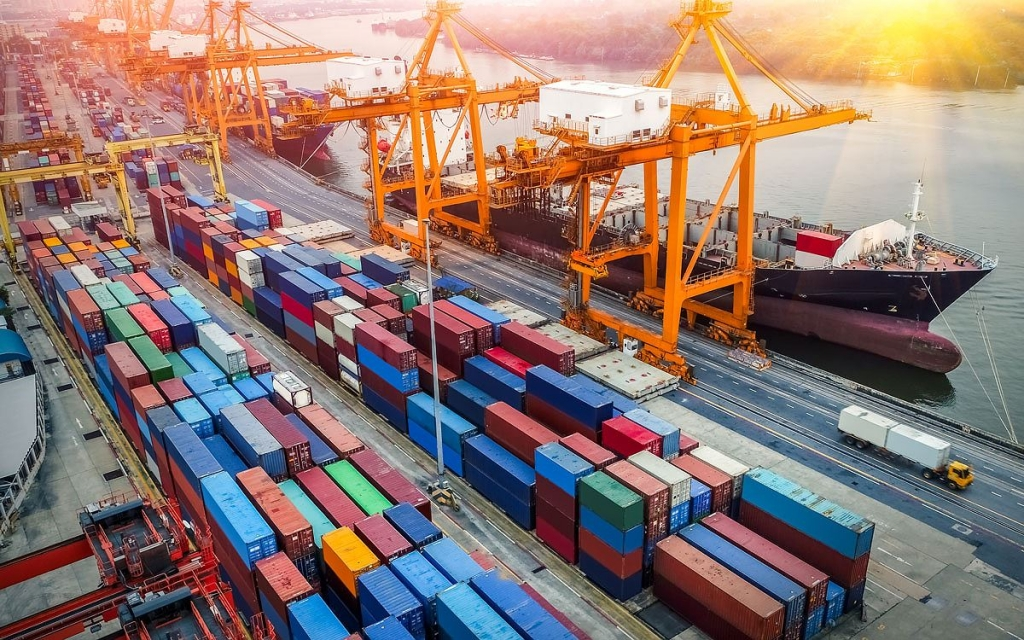
    The supply chain breakdown has not been overcome to date.  Photo: Logistics Manager.

    The supply chain breakdown has not been overcome to date. Photo:  Logistics Manager .

    Many questions arise around this disruption: How long will it take for the global supply chain to solve the problem? How will that happen, what will it entail?… In fact, these questions are difficult to answer but at least make us think about it.

    Currently, the logistics industry is going through an unprecedented crisis. It is difficult for service providers to grasp the situation of freight, lack of supply capacity and do not have insight into forecasting, management vision and logistics operations.

    The year-end shopping and holiday season is approaching, manufacturers, logistics service providers or customers are all worried about shipping problems. However, we should not wait, let’s quickly shop so that the goods can be delivered as soon as possible.

    The current situation still has many difficulties, but some experts in the logistics field predict that the congestion problem will be overcome by early 2022.

    Previously, Global Trade newspaper   also forecast that 2022 will be a bright year for the logistics industry. The explosion of e-commerce has positively affected the logistics industry. With the epidemic situation gradually easing and the world returning to the development trajectory, this industry is forecast to reach 12,975.64 billion USD by 2027.

    Many breakthrough trends will appear in the next year such as micro-warehouses and last-mile logistics, increased demand for 3PL and 4PL services, green logistics and stronger application of technological achievements.

    Thanh Thu  (according to  Logistics Manager )