Fidelity Fulfilment Fortifies US Presence: New Salt Lake City Hub Signals Strategic Shift to Inland Logistics for 2026
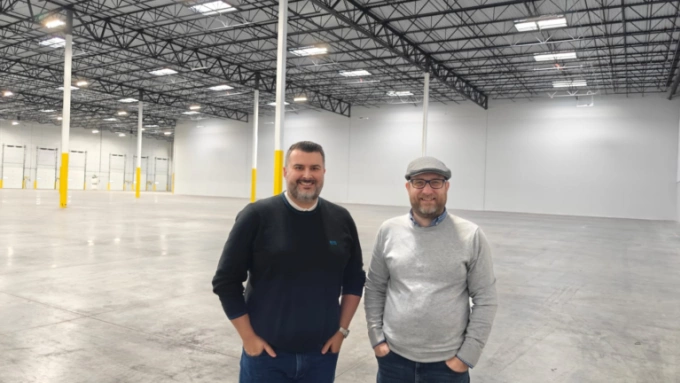
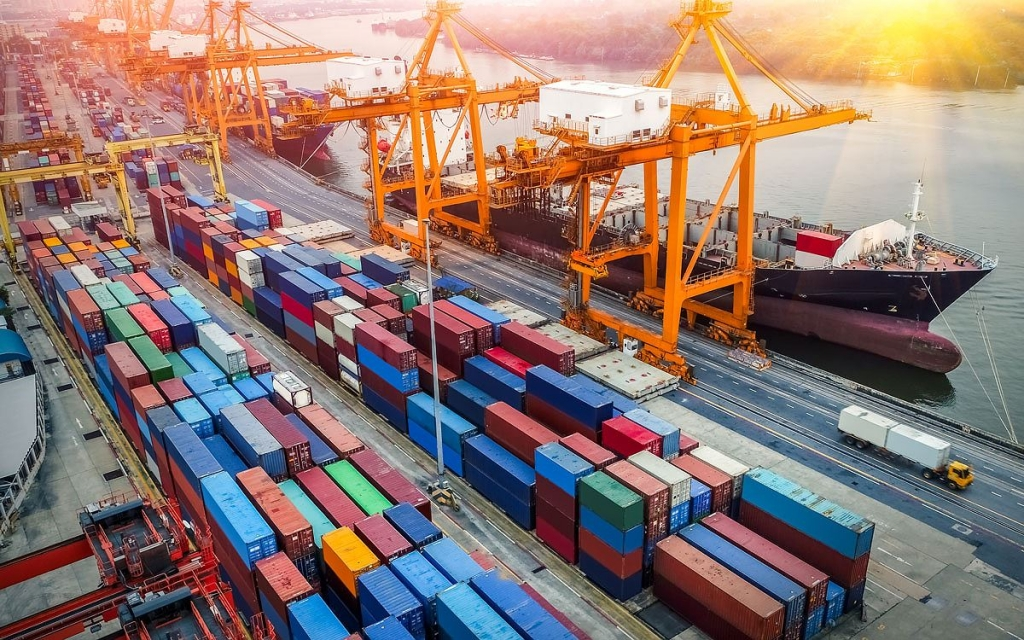
In a strategic maneuver designed to solidify its operational capabilities within the North American market, renowned third-party logistics (3PL) provider Fidelity Fulfilment has officially inaugurated its newest fulfillment center in Salt Lake City, Utah. The selection of Utah as the next node in their network map is far from arbitrary; it is the result of meticulous geo-economic calculation. Salt Lake City, often dubbed the “Crossroads of the West,” boasts a prime location at the intersection of vital interstate highways (I-15 and I-80), enabling rapid access to both the densely populated West Coast states like California, Oregon, and Washington, as well as the expansive Midwest region. For Fidelity Fulfilment, this new hub acts as a critical “buffer,” alleviating pressure on coastal warehouses that frequently face congestion and skyrocketing storage costs. By positioning inventory in Utah, Fidelity commits to delivering 1-to-2-day ground shipping to a significant portion of the US population, significantly optimizing the “last-mile” equation that currently plagues e-commerce businesses.
Delving into the operational structure, the new Salt Lake City center represents a substantial investment by Fidelity Fulfilment in modern infrastructure technology, reflecting the prevailing “Logistics 4.0” trend. This facility is not merely a storage warehouse but is designed as an integrated data and cargo processing plant. The advanced Warehouse Management System (WMS) deployed here is capable of real-time synchronization with major e-commerce platforms, ensuring inventory accuracy rates of up to 99.9%. Furthermore, the adoption of automation technologies in the picking and packing processes boosts order throughput multiples times over manual methods, which is particularly critical during peak shopping seasons like Black Friday or Christmas. The presence of this center allows Fidelity’s clients to execute a “distributed inventory” strategy more effectively, fragmenting stock to be as close to the end consumer as possible to leverage zone skipping, thereby reducing shipping costs and improving profit margins for online sellers amidst fierce price competition.
From a broader perspective, Fidelity Fulfilment’s expansion in Utah is a clear indicator of the shifting US supply chain trends for the 2025-2026 period: moving away from sole reliance on coastal mega-cities to push deeper inland. As e-commerce continues to claim a larger share of total retail sales and consumers grow increasingly impatient with long delivery times, 3PLs are compelled to build networks that are both flexible and extensive. The Salt Lake City center not only solves the speed dilemma but also serves as an excellent risk mitigation strategy against disruptions such as natural disasters or labor strikes at West Coast ports. With this new facility, Fidelity Fulfilment not only enhances its own competitiveness but also empowers D2C (Direct-to-Consumer) and B2B brands with the ability to access the US market more quickly, cost-effectively, and reliably. This is an essential preparation to meet the explosive demand forecast for 2026, a time when logistics is solidified as the core competitive weapon for every retail enterprise.
DHL Germany Sets Historic Record with 12.4 Million Parcels in 24 Hours: A Testament to the Power of Digitized Logistics Infrastructure
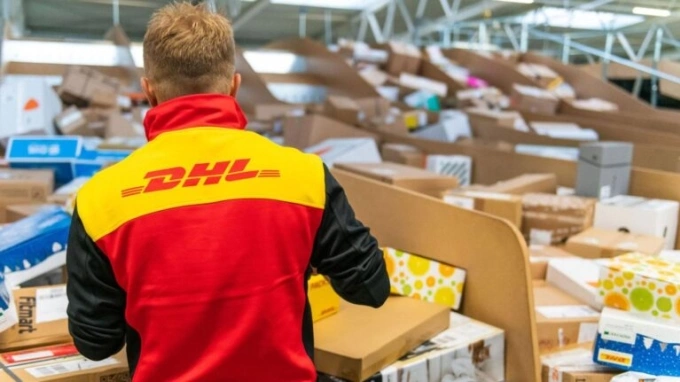
In early December 2025, amidst the intense peak of the holiday shopping season, DHL Group’s Post & Parcel Germany division recorded an unprecedented historic milestone, solidifying its leadership position in the European logistics market. Specifically, on December 2, 2025, DHL’s network in Germany successfully processed approximately 12.4 million parcels within a single 24-hour window—a record figure that far surpasses previous highs and nearly doubles the processing volume of an average day. This colossal number not only reflects the explosive growth of e-commerce following Black Friday and Cyber Monday events but also serves as the ultimate “stress test” for the national shipping infrastructure. The fact that DHL navigated this challenge without encountering local bottlenecks or systemic failures is the clearest evidence of the effectiveness of its long-term strategy centered on technological investment and flexible scalability. For retailers and e-commerce businesses, this record provides a reassuring signal that the circulatory system of Europe’s largest economy remains operational and robust, even under the crushing weight of sudden surges in consumer demand.
This success is not a product of luck or merely increasing manual labor; rather, it is the result of a multi-year modernization of logistics infrastructure focusing on automation and data management. To process 12.4 million shipments in a single day, DHL had to operate its network of high-tech parcel centers at maximum capacity, where automated conveyor belts and sorting robots worked tirelessly with near-absolute precision. Furthermore, demand forecasting capabilities driven by Artificial Intelligence (AI) allowed DHL to precisely allocate resources across specific regions, from deploying transit trucks to scheduling last-mile delivery personnel. The synergy between hard infrastructure (warehouses, fleets) and soft infrastructure (algorithms, data) enabled DHL to solve the logistics industry’s most perplexing puzzle: maintaining rapid delivery speeds while cargo volumes increase exponentially. Moreover, this record highlights a shift in consumer behavior in Germany and Europe, as shoppers increasingly rely on online platforms for urgent year-end needs, setting new standards for logistics providers regarding reliability and response speed.
Looking ahead to 2026, this record of 12.4 million parcels is not just a peak to be admired but will likely become the “new normal” for future peak seasons. This creates both pressure and motivation for DHL and its competitors to accelerate the greening of their supply chains. Notably, despite the skyrocketing volume, DHL maintained its commitment to sustainability goals through route optimization and the extensive use of its electric vehicle fleet. The key takeaway from this event for global enterprises is the critical importance of building a resilient supply chain. In the context of expanding cross-border e-commerce, the ability to handle peak loads seamlessly—as DHL demonstrated in Germany—will be the deciding factor in the success or failure of retail platforms, while simultaneously reshaping customer expectations for uninterrupted logistics services, regardless of timing or scale.
Four Technological Pillars Reshaping the FMCG Supply Chain Amidst the Perfect Storm of 2026
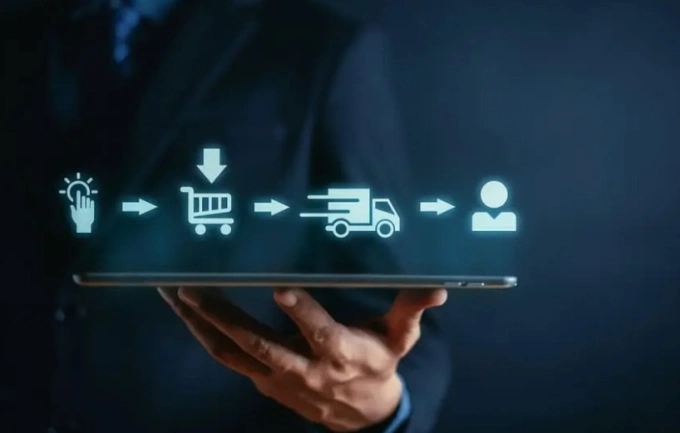
Entering 2026, the Fast-Moving Consumer Goods (FMCG) sector is facing a “perfect storm” created by the convergence of escalating operational costs, a severe shortage of logistics labor, and unpredictable shifts in consumer behavior, forcing businesses to comprehensively restructure based on four key pillars: Artificial Intelligence (AI), Compliance, Consolidation, and Sustainability. In this context, AI is no longer a passive forecasting tool based on historical data but has evolved into the central “brain” of the supply chain with prescriptive analytics capabilities. Advanced AI systems can now synthesize real-time data from social media, weather forecasts, and geopolitical fluctuations to automatically make cargo coordination decisions, minimizing the “bullwhip effect” that causes phantom inventory or supply disruptions. For Third-Party Logistics (3PL) providers, integrating AI into operations not only accelerates order processing but also creates a “self-healing” capability for the supply chain, allowing the system to automatically reroute shipments during disruptions without manual human intervention, ensuring the flow of goods from distribution centers to retail shelves remains continuous and stable.
Parallel to the AI revolution, the twin factors of “Compliance” and “Retail Consolidation” are becoming vital keys to optimizing profit margins and maintaining relationships with powerful retailers. With the explosion of Stock Keeping Unit (SKU) counts and the pressure for same-day delivery, compliance requirements such as On-Time In-Full (OTIF) metrics, labeling specifications, and Advanced Shipping Notices (ASNs) have become stricter than ever; any error can lead to heavy fines or even delisting. To address the cost challenge in this environment, the strategy of “Retail Consolidation” is emerging as a lifeline, particularly for small and medium-sized enterprises. Instead of shipping costly and slow Less-than-Truckload (LTL) shipments, modern 3PLs are consolidating cargo from multiple different suppliers into single Full Truckloads (FTL) destined for the same location. Real-world data indicates that a single consolidated shipment can replace an average of 34 partial loads, helping to slash transport costs by 20-30% and cutting delivery times from an average of 5 days to just 2 days, creating competitive advantages in speed and cost previously available only to multinational corporations.
Finally, the overarching factor influencing all logistics activities in 2026 is Sustainability, which has shifted from a Corporate Social Responsibility (CSR) goal to a mandatory market and legal requirement. New-generation consumers increasingly demand transparency regarding the carbon footprint of the products they purchase, while governments are beginning to apply stricter environmental taxes on transport activities. Consequently, green logistics is not merely about using electric vehicles or recycled packaging, but about the comprehensive optimization of networks to minimize “empty miles” and resource waste. Successful FMCG companies in 2026 will be those that know how to transform environmental pressures into drivers for innovation, utilizing route optimization algorithms to simultaneously reduce emissions and fuel costs. Collectively, the synergy of AI intelligence, compliance precision, consolidation efficiency, and sustainability commitment will be the sole formula for FMCG businesses to not only survive but vigorously thrive in the volatile economic landscape of 2026.
A New Era for Vietnam’s Packaging Industry: From the 2026 Hanoi Forum to Global Integration in Shenzhen
Strategic Context and the Dawn of a New Industrial Alliance
As we navigate the final days of 2025, the global economic landscape is witnessing an unprecedented restructuring of supply chains, with Southeast Asia—and Vietnam in particular—emerging as the world’s new manufacturing hub. However, this rising status comes with an existential challenge: the technological obsolescence of supporting industries, most notably the packaging sector. Within this context, the “Vietnam-China Forum: Connecting and Developing Smart Packaging 2026,” scheduled for January 7, 2026, in Hanoi, represents far more than a mere trade gathering; it serves as the opening salvo in a national strategy to comprehensively modernize production infrastructure. Organized under the auspices of prestigious bodies such as the Vietnam Packaging Association (VINPAS) and the Vietnam Pulp and Paper Association (VPPA), the event is designed to quench the domestic industry’s “thirst” for technology. This is a pivotal moment where Vietnamese enterprises must re-evaluate their standing: will they remain low-cost processors using outdated machinery, or will they transform into high-value supply chain links? The Hanoi Forum provides the answer, acting as a direct bridge connecting Vietnamese businesses to the “tech capital” of Shenzhen, thereby creating momentum for participation in the global WEPACK exhibition series.
The “Smart Packaging” Revolution and Global Green Imperatives
The core focus of the forum, and indeed the dominant trend for the 2026-2030 period, is the ascendancy of “Smart Packaging” and “Green Packaging.” Experts at the forum will delve deep into the reality that modern packaging is no longer just a container, but has evolved into a data communication device. With the integration of RFID chips, variable QR codes, and IoT sensors, smart packaging enables transparent traceability, anti-counterfeiting measures, and direct consumer interaction—now mandatory requirements for demanding markets like the EU and the US. Simultaneously, pressure from new-generation free trade agreements (such as EVFTA and CPTPP) is forcing Vietnamese factories to adhere to strict ESG (Environmental, Social, and Governance) standards. Reports presented at the forum will demonstrate that without investment in automated corrugated production lines, ink-saving digital printing technologies, and biodegradable material solutions, Vietnamese firms face the very real risk of being excised from the supply chains of multinational giants like Samsung, Apple, or Nike. Consequently, the search for equipment solutions from international supply chains—specifically advanced yet cost-effective technology from China—has become more urgent than ever.
The Roadmap from Hanoi to Shenzhen and the 2030 Vision
The conclusion of the Hanoi forum is not an end, but the commencement of a journey to the global stage through the formation of the Vietnam Delegation to attend the SinoCorrugated South 2026 exhibition (part of WEPACK) in Shenzhen in April 2026. This is a strategic maneuver intended to allow Vietnamese business owners to witness firsthand the scale of the global packaging industry, accessing over 1,500 leading equipment and technology suppliers across a sprawling 120,000 square meters. This connection is vital: it enables Vietnamese companies to leapfrog the trial-and-error phase and move directly to adopting proven technologies, thereby narrowing the productivity gap with the region. The year 2026 is shaped up to be the “golden time” for digital transformation and green transition. The success of the Vietnam-China Forum will be measured not merely by the number of contracts signed, but by the shift in the mindset of business leaders: moving from passive production to value creation, ultimately elevating Vietnam’s packaging industry from a “follower” to an equal partner capable of competing squarely on the global industrial map.
Ulive – Trusted Supplier of Vietnamese Supply Chain Products in the U.S.
About Ulive
Ulive LLC is a leading importer and distributor of high-quality Vietnamese products in the U.S. market, specializing in the nail, spa, and consumer goods industries. With a professional supply chain system and fulfillment warehouses in the U.S., Ulive ensures fast, safe, and cost-effective importation, distribution, and delivery processes.
Key Product Categories
Ulive offers a diverse range of products to support business and consumer needs:
Professional nail tools: Drills, LED lamps, gel polishes, artistic brushes, etc.
Salon & nail chairs: Modern massage chairs, pedicure chairs meeting international standards.
Vietnamese dry goods: Tea, coffee, snacks, and packaged foods with authentic flavors.
Premium cotton towels: Spa towels, hotel towels, and beauty industry towels.
U.S.-based warehouses reduce delivery times and logistics costs.
Authentic, high-quality products
Direct partnerships with reputable Vietnamese manufacturers ensure a stable supply.
Competitive pricing
Cost-effective solutions to help businesses optimize import expenses.
100% cargo insurance
Guaranteed product safety throughout the transportation process.
Smart ordering system
Advanced technology for quick and convenient order placement.
Customer information security
Strict data protection policies ensure absolute customer confidentiality.
Import-Export Trends & Potential of Vietnamese Goods in the U.S.
Nail & beauty industry in the U.S.: Over 30,000 nail salons in the U.S. are primarily owned by Vietnamese entrepreneurs, creating a strong demand for nail tools, salon chairs, and spa products.
Vietnamese consumer goods gaining popularity: U.S. consumers increasingly prefer Vietnamese products like coffee, herbal teas, and dry foods due to their exceptional quality.
Trade agreements boosting opportunities: Free trade agreements facilitate Vietnamese goods’ access to the U.S. market with lower import tariffs.
Partner with Ulive
Ulive welcomes collaborations with businesses, distributors, and nail salon owners in the U.S. to deliver quality products at competitive prices. If you’re looking for a reliable, stable supply source with fast shipping, Ulive is your ideal choice.
In 2025, global trade continues to recover and evolve despite challenges such as geopolitical tensions and economic uncertainties. The World Trade Organization (WTO) recently reported a moderate growth of 2.5% in international trade volume, driven by robust demand in emerging markets and technological advancements in supply chain management.
Highlight: US and Vietnam’s Trade Partnership
The US remains one of the largest importers of goods globally, with a total import value exceeding $3 trillion in 2024. Key imports include electronics, automobiles, and consumer goods.
Vietnam, as a dynamic player in Southeast Asia, has cemented its role as a major exporter to the US, contributing significantly with textiles, electronics, and agricultural products. Bilateral trade between the two nations reached a record $139 billion in 2024, showcasing strong economic ties.
Key Drivers of Vietnam’s Export Growth
Free Trade Agreements (FTAs): Vietnam has leveraged FTAs like CPTPP and RCEP to enhance market access and reduce trade barriers.
Tech-Driven Manufacturing: The rapid adoption of Industry 4.0 technologies has increased efficiency in Vietnam’s manufacturing sector.
Diverse Export Portfolio: From high-tech electronics to traditional products like coffee and seafood, Vietnam has diversified its exports to minimize risks.
The US Import Landscape
Resilient Consumer Demand: Despite inflationary pressures, the US consumer market remains strong, with rising demand for electronics, apparel, and furniture.
Focus on Sustainability: US importers are prioritizing sustainable and ethically sourced products, creating opportunities for exporters adhering to ESG standards.
Supply Chain Resilience: Businesses in the US are increasingly adopting near-shoring and friend-shoring practices to secure supply chains, a move that benefits partners like Vietnam.
Challenges and Opportunities
Global Shipping Costs: While freight rates have stabilized compared to pandemic-era peaks, they remain higher than pre-2020 levels, impacting trade margins.
Regulatory Changes: US policies on anti-dumping and countervailing duties require exporters to adapt swiftly to maintain competitiveness.
Digital Trade: Both nations are exploring e-commerce and digital platforms to streamline trade processes and reach new markets.
Future Outlook
The trade relationship between the US and Vietnam is poised to grow stronger in the coming years. Vietnam’s strategic position as a manufacturing hub and the US’s vast consumer market form a complementary partnership. Experts predict a 10% annual increase in bilateral trade by 2026, driven by innovation, sustainability, and mutual economic goals.
Conclusion
As global trade adapts to new norms, the US and Vietnam stand out as leaders in fostering resilience and cooperation. Businesses in both nations have a golden opportunity to thrive by embracing technology, sustainability, and diversified strategies.
In the first 9 months of 2024, Vietnam’s trade surplus with the US market reached the highest level, followed by the EU and Japanese markets.
According to the report of the Ministry of Industry and Trade, with the recovery of the world market and increased export orders, our country’s import and export activities in the first 9 months of 2024 have improved and achieved positive results.
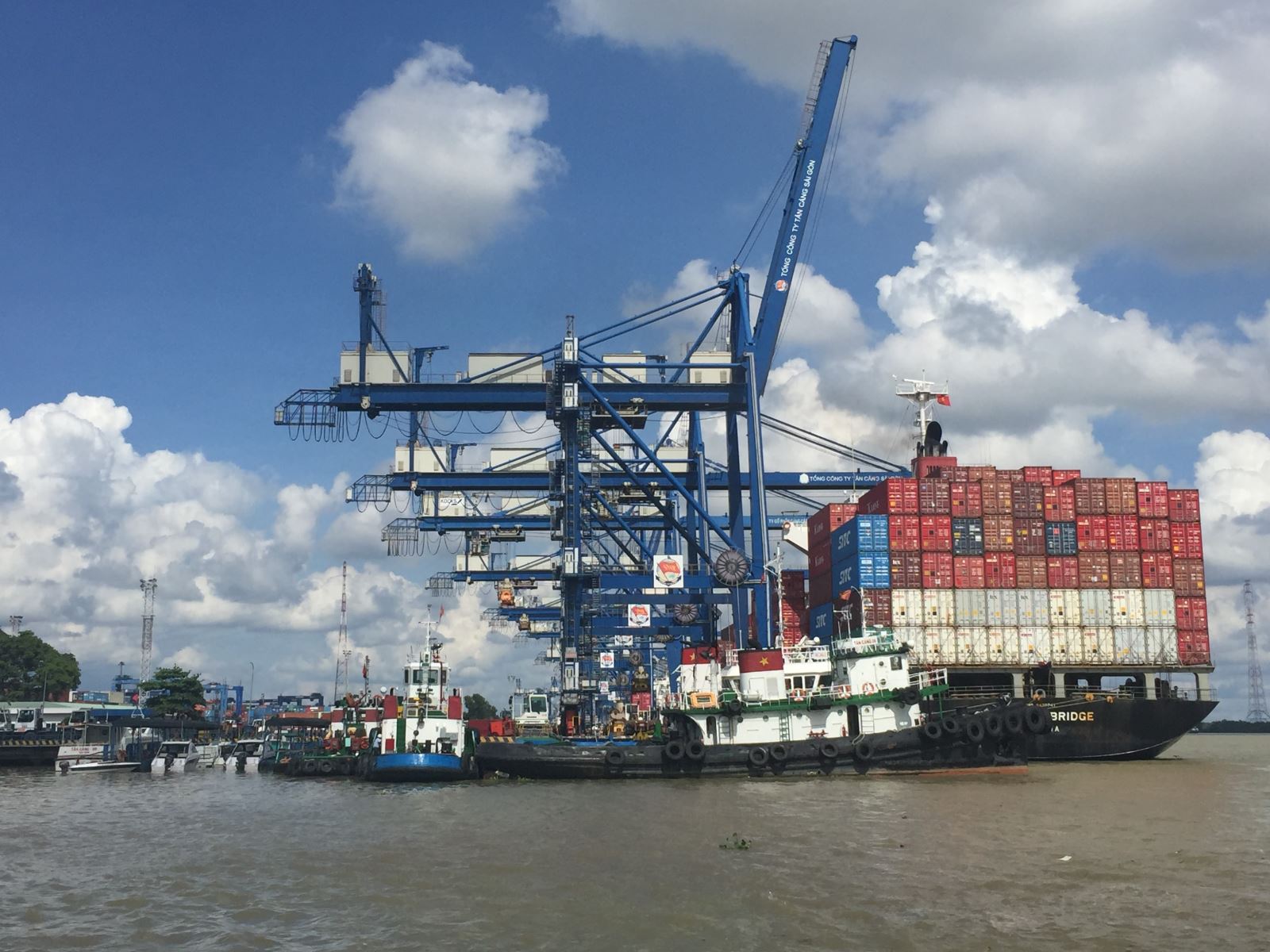
Customs clearance of goods at the port. Photo: Duc Duy/Vietnam+
In September 2024, the total preliminary import and export turnover of goods reached 65.81 billion USD, although down 8% compared to the previous month, it still increased by 10.9% compared to the same period last year.
In the first 9 months, the total preliminary import-export turnover of goods reached 578.47 billion USD, up 16.3% over the same period last year (down 11% over the same period), of which exports increased by 15.4% (down 8.2% over the same period); imports increased by 17.3% (down 13.9% over the same period). The trade balance of goods had a surplus of 20.79 billion USD.
Notably, exports continued to grow strongly and evenly in all 3 groups of goods. Specifically, the preliminary export turnover of the agricultural, forestry and fishery group reached 28.8 billion USD, up 21.9% over the same period in 2023, accounting for 9.6% of the total export turnover of the country.
The preliminary export turnover of the processed and manufactured industrial goods group reached 253.9 billion USD, accounting for 84.7% of the total export turnover and increasing by 15.2% over the same period in 2023 (the same period in 2023 decreased by 9.6%). The export turnover of the mineral fuel group in the first 9 months is estimated at 3.1 billion USD, an increase of 3% over the same period in 2023.
Regarding the market, in the first 9 months of 2024, the export turnover to most markets and major trading partners of our country has recovered positively and achieved high growth. In particular, the United States is Vietnam’s largest export market with an estimated turnover of 89.4 billion USD, accounting for 29.8% of the total export turnover of the country and increasing by 27.4% over the same period last year (the same period in 2023 decreased by 17.6%); Next is the Chinese market, estimated at 43.56 billion USD, a slight increase of 0.1% over the same period last year (the same period in 2023 increased by 2%); the EU market is estimated at 38.1 billion USD, an increase of 17% over the same period last year (the same period in 2023 decreased by 8.2%); South Korea is estimated at 18.9 billion USD, an increase of 7% (the same period in 2023 decreased by 5.1%); Japan is estimated at 18 billion USD, an increase of 4.7% (the same period in 2023 decreased by 3%).
On the other hand, in terms of the goods import market, China is still Vietnam’s largest import market with a preliminary turnover of 105 billion USD, accounting for nearly 38% of the total import turnover of the country and increasing by 32.5% over the same period last year (the same period in 2023 decreased by 13.6%); followed by South Korea with an estimated 41.46 billion USD, up 8.2% (down 20.1% in the same period in 2023); ASEAN with 33.8 billion USD, up 12.3% (down 14.5% in the same period in 2023); Japan with 16 billion USD, up 2.4%; EU with 12.2 billion USD, up 9.8%; the United States with 10.9 billion USD, up 6.2%.
The trade balance in September 2024 continued to have a surplus of about 2.29 billion USD, bringing our country’s total trade surplus in the first 9 months of 2024 to about 20.79 billion USD (the same period last year had a trade surplus of 22.1 billion USD). By market region, the trade surplus to the United States is estimated at 78.5 billion USD, up 31% over the same period last year; The trade surplus with the EU is estimated at 25.9 billion USD, up 20.8%; the trade surplus with Japan is estimated at 1.9 billion USD, up 28.8%.
In 2018, Canada and Vietnam celebrate 45 years of good diplomatic relations. The bilateral relationship has grown to a climax through many high-level visits to Vietnam by Canadian officials over the past year, such as Prime Minister Trudeau’s visit in November 2018 and the announcement of the “Global Partnership”. representation” between Canada and Vietnam. The Partnership clearly shows the whole relationship between the two countries in defense, security and development. Ethnic ties between the two countries are very close, with 250,000 Vietnamese Canadians living in Canada.
Canada and Vietnam are both members of many international forums such as ASEAN, of which Canada is a Dialogue Partner; Vietnam was the Coordinating Country for Canada in 2006-09. Canada and Vietnam are also members of the Asia-Pacific Economic Cooperation (APEC), World Trade Organization (WTO), ASEAN Regional Forum, Francophone Community, and the United Nations.
After 2 years of implementing the CPTPP Agreement in Vietnam, Canada-Vietnam bilateral goods trade turnover reached a record of $8.9 billion in 2020 despite the impact of the Covid-19 pandemic on global trade. demand, an increase of 12% compared to 2019 and an increase of 37% compared to the time when the agreement had not come into force.
The total value of Vietnam’s exports to Canada will increase by nearly 16% in 2020, with a significant increase in mobile phones, footwear, furniture and apparel.
The trade relationship between Vietnam and Canada is one of the most successful models that this free trade agreement offers. This result was achieved thanks to the efforts of enterprises of both sides in establishing regulations on market exploitation.
Bilateral purchase and sale of goods Canada – Vietnam
Prestigious Canada – Vietnam bilateral goods trading service – U-Live we provide a cheap service – super saving – committed to deliver to the recipient. The demand for human consumption and beauty shows no sign of decreasing but is increasing day by day. Customers always want to find a reputable source of good quality goods to serve themselves as well as to serve business needs. And Canadian goods are always chosen by Vietnamese customers because they are aesthetically pleasing and of high quality. This has motivated customers to buy goods from Canada in Vietnam to increase.
Are you in need of ordering goods from Canada in Vietnam? However, you do not have the knowledge and experience to know where to start or which shipping unit to choose?
Don’t worry about it, with the introduction of the delivery service in Canada in Vietnam opened by U-Live, it has quickly removed existing concerns from customers.
If you are in need of using the Canada – Vietnam Bilateral Purchase and Sale service, please contact the information provided below.
Address: 141 Carondelet plaza , Clayton , MO 63105 , USA
Phone: +1 314 452 7023 (WhatsApp, Viber, Telegram, Zalo)
Email: ulive.llc2020@gmail.com
Website: Ulive-llc.com
According to the Australian Export Council, Vietnam has many advantages for Australian businesses to do business and invest in, including a fast-growing economy, an expanding middle class, and a growing middle class. young and dynamic workforce, stable socio-political environment, increasingly open business environment, and constantly expanding trade links. The relationship between the two countries is increasingly expanding and deepening in the fields of economy, security, defense, culture, education, people-to-people diplomacy…
The Australian Export Council encourages Australian businesses to deploy and expand their business activities in Vietnam, especially in areas and industries with high growth potential in the future such as information technology, transformation digital, finance-banking, environmental services, health care and beauty…
Australia’s current source of goods
When it comes to products made in Australia, quality comes first. Products in this country are controlled by strict regulations with very high standards. Many consumers around the world are likely to perceive Australian-made products as being of much higher quality than buying brands in other countries.
The price of products from Australia may not be too cheap, but they are always popular in Vietnam due to their quality. In addition, Australia is also a place to produce a lot of unique goods, diverse in design and style, from fashion, home appliances, personal consumables or machinery…
Bilateral trade in goods between Australia and Vietnam
To meet the essential needs of life, Vietnamese people need to use high quality value products. U-Live was born with the purpose of shortening the geographical distance, making it easy for you to buy and use genuine Australian goods.
Thanks to the professionalism in performing specialized operations such as purchasing, payment, customs clearance or other procedures, U-Live is proud to be one of the logistics enterprises with the fastest delivery time. It usually only takes 7-10 days for the goods to return to Vietnam since the seller sends the goods to U-lLive’s warehouse in Australia.
U-Live’s services are always geared towards social benefits. By optimizing costs and improving the efficiency of its services, Green provides customers with fast, low-cost transportation while reducing its impact on the environment. Partnering with U-Live means you’re also traveling with social and environmental benefits!
If you are in need of using the Australia – Vietnam bilateral goods sale service, please contact the information provided below.
Address: 141 Carondelet plaza , Clayton , MO 63105 , USA
Phone: +1 314 452 7023 (WhatsApp, Viber, Telegram, Zalo)
Email: ulive.llc2020@gmail.com
Website: Ulive-llc.com
The US is one of Vietnam’s largest trading partners in recent years. A special feature of this market is that Vietnam always has a trade surplus with the US with increasing value. Since the Vietnam – US Bilateral Trade Agreement (BTA) took effect, two-way trade between Vietnam and the US has increased from 220 million USD in 1994 (the year the US lifted the economic embargo against Vietnam). ) to $1.4 billion in 2001 (the year before the BTA took effect) and officially reached $50.8 billion by the end of 2017.
In 2017 alone, according to data from the General Department of Customs, Vietnam exported $41.6 billion worth of goods to the US market, while US imports only reached $9.2 billion. As a result, the US became the largest market where Vietnam had a trade surplus in 2017, reaching US$32.4 billion.
Not only contributing to the balance of trade, the signing of multi-billion dollar contracts will create tens of thousands of jobs in the US, increase US exports to Vietnam and Vietnam to the US, contribute to improving the lives of many workers in the two countries.
“The two economies of Vietnam and the United States are completely complementary, and the more cooperation we strengthen, the more benefits we will have.”
US-Vietnam bilateral goods trading service
Not only in Vietnam but many other countries are very fond of goods made in the US. Even consumers no longer want to use products of their own country, but only buy goods from the US to use. This is for the following reasons:
Most American goods are of good quality, even the lowest value ones.
Many famous brands, diverse models, beautiful product designs, keep up with the trend.
Limit the status of counterfeit goods, imitation goods, most American goods are auth, long-term durability, outstanding features.
The brand value of American goods is high, showing the luxury level, many exclusive products are personalized for users.
Manufacturers in the US often have attractive sales programs, reasonable prices, attract and influence the purchase of customers.
U-Live is one of the professional and reputable long-time reputable and professional US-Vietnam bilateral goods trading service providers. With a lot of experience in the field of importing cheap US goods, Amazon, eBay… we are committed to consulting and supporting from A-Z, helping customers easily buy goods with the most competitive rates.
Why you should choose U-Live
Cargo insurance up to 100%
U-Live provides US-Vietnam bilateral goods purchase and sale services, transportation, completion of related procedures and delivery to customers. Ensure the perfect and convenient service of buying American goods to Vietnam.
Quality assurance
U-Live supports searching for the most reputable US shopping websites. Advice to help you choose the best products. Committed to low prices, exactly the product the customer has chosen, and shipped to Vietnam.
Fast shipping
Ensure products are shipped to Vietnam in the shortest time. Shipping time by sea is 30-45 days and for US order by air is 7-15 days.
Product warranty
For products that are damaged by the seller or by the shipping process, we will contact you to exchange and return the goods, ensuring the maximum benefits for customers when using the service of buying goods from the US to Vietnam.
Easy payment
Choose the USA purchase service, you can pay directly at U-Live’s office, via Internet Banking or pay via COD.
Quick quote
Quick quotation after 3-5 minutes, provide full product details when you have the desire to import cheap US goods.
If you are in need of using the US-Vietnam Bilateral Purchase and Sale service, please contact the information provided below.
Address: 141 Carondelet plaza , Clayton , MO 63105 , USA
Phone: +1 314 452 7023 (WhatsApp, Viber, Telegram, Zalo)
Email: ulive.llc2020@gmail.com
Website: Ulive-llc.com
The United States is a leading industrialized country in the world, with modern industries, agriculture and services, a strong competitive economy, the number one export power and also an import market. the largest and most diversified in the world.
The US import-export turnover alone accounts for about 25% of the world’s import-export turnover. The United States is recognized by many nations as the most influential military, cultural, and economic power in the world.
The US is always in the top 10 countries with the highest import turnover to Vietnam and the turnover has continuously increased over the years. Therefore, shipping services from the US to Vietnam are always interested by customers, especially import-export companies, large enterprises, etc.
List of items to be shipped from the US to Vietnam
Know the list of items that are shipped from the US to Vietnam to avoid trouble and spend a lot of time in the shipping process.
Group of goods used daily: clothes, accessories, consumer goods…
Group of high-value goods: watches, jewelry, perfumes
And many other items are on the list of goods allowed to be shipped from the US to Vietnam.
U-Live is a shipping company specializing in providing cheap international express delivery solutions in Vietnam, especially reputable shipping services from Vietnam to the US.
With many years of experience in the international shipping industry through professional shipping services of the world’s leading suppliers.
Our company always wants to provide the most optimal service to customers. Sending your goods just got easier with U-Live support.
When you order a delivery service to the US or from the US to U-Live, the process of receiving information, answering and processing customer orders is standardized according to a professional process.
If you are in need of using the US – Vietnam 2-way freight service, please contact the information provided below.
Address: 141 Carondelet plaza , Clayton , MO 63105 , USA
Phone: +1 314 452 7023 (WhatsApp, Viber, Telegram, Zalo)
Email: ulive.llc2020@gmail.com
Website: Ulive-llc.com
Australia – A land of abundance, a beautiful home of fascinating, rich natural attractions and a multicultural country characterized by welcoming all nationalities, backgrounds and religions. . That is also the reason why Vietnamese settlers live, study and work here a lot.
With the rapid development of infrastructure, convenient transportation, geographical distance is narrowed. You want to buy an item from Australia to bring back to Vietnam and don’t know how to ship it. Or want to import goods from Australia to sell or send goods from Vietnam to there. Indeed, it is very difficult, complicated and if there is, the wait is also very long. From now on, you can completely send goods, gifts, letters to Australia and vice versa from Australia to Vietnam by service.
If you are still wondering whether to choose a quality and reputable unit, U-Live is an option. U-Live is proud to be one of the companies with the cheapest Australian freight rates in Vietnam. In addition, we have the safest cargo insurance policy today for customers.
Reasons you should choose U-Live’s Vietnam – Australia freight service
Years of experience
As a unit with many years of experience in the field of transporting goods from Vietnam to Australia. From there we can solve any cases that arise with your order as quickly and simply as possible.
“Soft” price
is one of the very few units that has a shipping service with a lot of savings compared to the general market. You can rest assured with such a fee when sending goods to Australia for your relatives and friends.
Dedicated and professional staff
With a team of professionally trained and experienced staff, customers will surely be satisfied. We not only bring service but above all to the satisfaction and trust of customers.
Delivery time
With the motto “Delivery to your door”, U-Live always tries its best to shorten the shipping time as much as possible for your goods.
Bring peace of mind to customers
We will send you information on the tracking route of goods after shipment as well as 100% cargo insurance so you are completely safe with your goods. In order to gain the confidence of customers like today, we have made continuous efforts to improve service quality as well as build ourselves the most optimal prices to give customers the perfect choice. most perfect.
If you are in need of using the Australia – Vietnam 2-way freight service, please contact the information provided below.
Address: 141 Carondelet plaza , Clayton , MO 63105 , USA
Phone: +1 314 452 7023 (WhatsApp, Viber, Telegram, Zalo)
Email: ulive.llc2020@gmail.com
Website: Ulive-llc.com
Not only a developed country, Canada is also one of the richest countries in the world, with a per capita income ranked eighth globally. Canada’s Human Development Index ranks 11th. With such economic development conditions, Canada has attracted a large number of Vietnamese students to study here. And that is also a favorable condition for the shipping service industry to develop in this multicultural country.
As one of the most reputable freight forwarding companies to Canada. A reliable address of many import-export companies and customers with relatives in Canada. We specialize in transporting goods: agricultural products, frozen products, electrical appliances, foodstuffs, personal belongings, wooden statues… via Canada or abroad at low prices that are most beneficial to customers.
This type of item is not allowed to be sent to Canada
Prohibited items from being sent to Canada include:
Firecrackers, incendiary materials, military equipment or weapons.
Approaching customers who are import-export companies, individuals with relatives abroad, receiving a variety of goods, we understand the rules of sending goods to Canada; How to best serve customers so that the trip is smooth and smooth.
Once we have received your goods sent to Canada, we guarantee the safety of the goods, the exact arrival time as in the contract of carriage. Staff regularly monitor the schedule to update you with important destinations.
Whether in the peak months when transporting goods by sea or by plane, we always meet the delivery time to Canada no matter how large the bulk cargo is, there is enough room to send it.
If you are in need of using the Canada – Vietnam 2-way freight service, please contact the information provided below.
Address: 141 Carondelet plaza , Clayton , MO 63105 , USA
Phone: +1 314 452 7023 (WhatsApp, Viber, Telegram, Zalo)
Email: ulive.llc2020@gmail.com
Website: Ulive-llc.com
US President Joe Biden said he would consider deploying the National Guard to tackle supply chain bottlenecks if logistical challenges persist.

"The answer is yes, if we can't make progress, like increasing the number of trucks," Biden said on CNN television on October 21 when asked about the possibility of the administration moving, deploying the national guard to help relieve supply chain bottlenecks.

The supply chain in the US is struggling with an increase in the amount of imported goods to meet consumer demand as well as with businesses raising their inventory levels to levels before the COVID-19 pandemic.
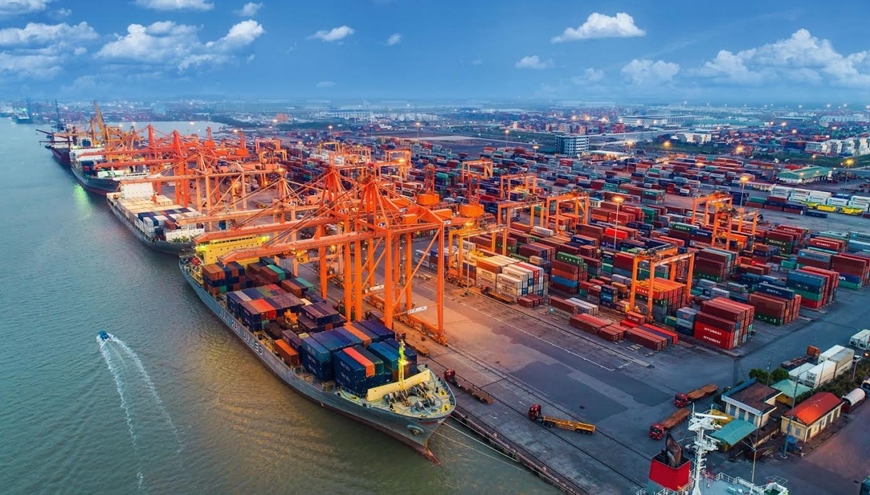
Hundreds of thousands of cargo containers are clogged at the ports of Los Angeles and Long Beach - the key shipping gateway on the West Coast accounting for more than 25% of imports arriving at US ports. Waiting time for unloading from ship is up to 3 weeks. Shortages of truck drivers and warehouse workers also create additional challenges.

The most important thing to do now is to free the goods on ships that are stuck at seaports - Mr. Biden emphasized. However, the White House boss did not mention the time, the detailed plan to use the National Guard if he decided to do so. Earlier, Republicans criticized Biden for supply chain bottlenecks, saying the administration was not doing enough to handle the situation.

Hoai Thanh/Newspapers (According to WSJ)
Covid-19 has had a strong impact on both domestic and global supply chains, forcing logistics businesses to deploy early post-recession recovery solutions.
Not only Vietnam, but the global logistics industry has been heavily affected by Covid-19. According to a survey recorded by the Vietnam Logistics Business Association (VLA), in the last fourth wave alone, the revenue of most businesses in the industry recorded an average decrease of 10-30% compared to the same period last year. in the same period of 2019. Of which, about 15% of enterprises reduced their revenue by 50% compared to 2019; more than 50% reduced the number of domestic and international logistics services by 10-30% compared to the same period last year.
Many factories had to temporarily suspend operations due to the quarantine and lockdown orders during the pandemic. The amount of goods that need to be moved is less, leading to a decrease in transportation and delivery. Not to mention domestic express delivery activities due to the pandemic were delayed, goods were piled up at processing centers. Many delivery routes were interrupted due to prolonged blockade, delivery time difficult to guarantee.
Facing this situation, many logistics enterprises are forced to soon come up with solutions to overcome the above obstacles, soon return freight forwarding, domestic and international express delivery to pre-epidemic growth. Most of the shipping companies focus on speeding up the vaccination schedule for delivery workers to return to work soon in the new normal period. In addition, they are also required to fully comply with the regulations of the authorities to ensure the safety of both shippers and customers when operating again.
As one of the businesses facing many obstacles during the pandemic and on the way to recovering from the recession, BEST Express immediately adapts to the new situation and tries to restore operations quickly to resume shipping routes. The enterprise is oriented to serve customers in the spirit of promptness, focusing on service quality but must ensure safety and consider this a top priority.
BEST Express’s sorting center in Vietnam.
Accordingly, the BEST Express shipper team was soon deployed with two doses of vaccine for 14 days and always complied with 5K when delivering; always wear a mask; Keep a distance of 2m and disinfect the package before delivery. All shippers and office staff, sorting centers are tested quickly every day to avoid infection cases within the company. Only employees with negative test results will be assigned the appropriate delivery route.
BEST Express staff always wear masks, disinfect thoroughly, inject two full doses of Covid-19 vaccine and periodically test negative before contacting customers.
“Although the epidemic is still quite complicated across the country, BEST Express is still determined to operate at full capacity, trying to deliver the fastest delivery to customers. In addition, each shipper himself always voluntarily adheres to 5K, disinfecting in accordance with regulations to ensure the safety of both customers and themselves”, a delivery worker of BEST Express operating during the epidemic shared.
A representative of BEST Express said that the unit has a strong belief that the epidemic will be well controlled, the city will soon recover so that the express delivery operation can take place quickly, customers are satisfied, and normal life rhythm becomes normal. again.
The supply chain is playing a central role in the economy, but the breakdown has not been completely overcome.
Over the past two years, disruptions to the global supply chain have led to a sharp drop in capacity and high freight rates, especially for container shipping. The Covid-19 pandemic has always been the main cause of this problem but there is no real solution to fix it.
The supply chain breakdown has not been overcome to date. Photo: Logistics Manager .
Many questions arise around this disruption: How long will it take for the global supply chain to solve the problem? How will that happen, what will it entail?… In fact, these questions are difficult to answer but at least make us think about it.
Currently, the logistics industry is going through an unprecedented crisis. It is difficult for service providers to grasp the situation of freight, lack of supply capacity and do not have insight into forecasting, management vision and logistics operations.
The year-end shopping and holiday season is approaching, manufacturers, logistics service providers or customers are all worried about shipping problems. However, we should not wait, let’s quickly shop so that the goods can be delivered as soon as possible.
The current situation still has many difficulties, but some experts in the logistics field predict that the congestion problem will be overcome by early 2022.
Previously, Global Trade newspaper also forecast that 2022 will be a bright year for the logistics industry. The explosion of e-commerce has positively affected the logistics industry. With the epidemic situation gradually easing and the world returning to the development trajectory, this industry is forecast to reach 12,975.64 billion USD by 2027.
Many breakthrough trends will appear in the next year such as micro-warehouses and last-mile logistics, increased demand for 3PL and 4PL services, green logistics and stronger application of technological achievements.
In the past 2 years, due to the impact of the COVID-19 epidemic, domestic and foreign logistics chains have been continuously broken. This has caused the trade of goods not only domestically but also for export to be affected, and the cost of goods has increased unreasonably.
Supply of goods is seriously affected
Recently, a research team from the National Economics University has conducted a survey on the bad fluctuations of the economy in recent months, especially due to the complicated developments of the COVID-19 epidemic.
Due to the impact of the COVID-19 epidemic, the transportation of goods at home and abroad faced difficulties due to the continuous disruption of the logistics chain.
The research team said that, since the fourth outbreak of COVID-19 epidemic, many provinces and cities across the country, especially the two largest cities, were forced to distance themselves, putting the country’s economic locomotive at risk. supply chain disruption. Not only that, the problems of disruption of labor resources due to distance, material sources when fees are high and the situation of banning movement between regions and localities also seriously affects the economy. More worryingly, there were 85,500 businesses withdrawing from the market, up 24.2% compared to 2020, Ho Chi Minh City alone accounted for 28.1% and the number of businesses temporarily suspending business was 43,200 enterprises.
Talking about this issue, Ms. Nguyen Thi Thanh Thu, Chairman of Bagico Bac Giang Company, said that the continuous disruption of goods due to the COVID-19 epidemic has caused both businesses and consumers to suffer losses due to expenses. costs and prices are unreasonably high. For example, the price of 1 kg of vegetables in Binh Phuoc is only 8,000 VND, but because of the lack of logistics supply chain, the price of vegetables when going to Ho Chi Minh City increases to 70,000 – 80,000 VND/kg.
“Due to being unable to transport, many items have to be abandoned, especially agricultural products, causing heavy damage to farmers. Typically, in the last durian crop in the Central Highlands, all technical workers were “stuck” in the West, unable to move to the Central Highlands to harvest and transport. Meanwhile, many places that have made a purchase deposit are helpless because durian is ripe but lacks people to harvest and transport. We ourselves were also pressured and the supplier was willing to drop the deposit. This is a huge waste,” shared Nguyen Thi Thanh Thuc.
For the international market, the disruption of the seaport supply chain has had a heavier impact on Vietnamese agricultural products. In particular, the current shortage of refrigerated containers for agricultural products is a huge problem, leading to very high import and export transportation costs. Ms. Nguyen Thi Thanh Thuc said that this will affect the peak serving for Tet goods in about 2 to 3 months. Up to this point, the logistics connection between countries in the region is still difficult and broken. Faced with this problem, many agricultural enterprises and import-export enterprises are really confused and do not dare to receive goods for transportation.
Sharing about the requirements of the US market for the Vietnamese supply chain with a number of products such as agricultural products and textiles, Mr. Bui Huy Son, Counselor in charge of the Vietnam Trade Office in the US said, logistics and supply chains in Vietnam as well as any other country in the world must respond “fast – much – good – cheap”. This means that the US side requires logistics in the markets to ensure quality when the goods arrive, and the price must be competitive.
It can be said that the United States is the world’s largest import market with more than 2 trillion USD per year. Therefore, the volume of goods transported, transactions, the scale of the system, the goods receiving infrastructure over the years are very new. However, due to the severe impact of the COVID-19 epidemic, especially in 2020, the US suffered the most damage, accompanied by a logistics crisis spreading to other countries around the world, including Vietnam, especially is the transport of goods by sea. Accordingly, the export of goods, mainly agricultural and aquatic products with very high requirements in terms of timing, timing and seasonality to ensure the quality of fresh and delicious goods… of Vietnamese enterprises is also affected. heavy influence.
Dismantling supply chains in the “new normal”
In order to facilitate and remove the supply chain for production and transportation, the Prime Minister recently asked relevant ministries and branches to create favorable conditions for businesses to restore production and business, ensure circulation. goods…
The content is stated in the Prime Minister’s Directive on the resumption of production in industrial production areas in the context of COVID-19 disease prevention and control signed by Deputy Prime Minister Le Van Thanh on October 3. So far, the epidemic has been gradually controlled, but according to reflections and recommendations of businesses, associations, industrial parks, many production and supply chains have been broken. canceled many domestic production orders, shortage of labor force for production.
Therefore, in order to remove difficulties for businesses with the principle of “production must be safe, it is safe to produce”, the Prime Minister asked businesses to play the role of subjects in the process of restoring production and business. , to closely coordinate with the People’s Committees of the provinces and cities to agree on the production plan, goods circulation, travel and accommodation of employees; The plan must ensure absolute safety to prevent and control the epidemic in the context of complicated epidemic developments.
The provinces and cities with the responsibility to be the direct management agencies of enterprises, urgently set up a steering committee to restore production, assign specific tasks to implement the plan, and approve the production and business plan. of enterprises, ensuring both production maintenance and safety against epidemics; and at the same time guide to remove difficulties in a timely manner regarding investment procedures and infrastructure development of industrial parks and economic zones; remove obstacles and create favorable conditions for experts and foreign workers to enter, conduct isolation in accordance with regulations of the Ministry of Health; guiding tax exemption and reduction policies, promulgating mechanisms to support interest rates, credit…
Previously, the research team of the National Economics University also sent a petition to the Government to recommend a policy to remove the unbroken logistics supply chain. Specifically, in addition to the requirement that the driver must receive 2 doses of the vaccine and have a negative test certificate according to regulations, each locality should also immediately organize a buffer zone of logistics centers to unload and rotate goods. for the needs of businesses and local residents; organize patrol teams on national highways and provincial roads; ensure that goods are not unloaded or transported outside the specified area. At petrol and oil refueling stations, there must be a quick test area, isolating drivers when refueling, and clearly specifying rest stops, including routes to and from.
In addition, it is recommended to build an electronic application (App) “Safe labor resources during the epidemic season” to inform recruitment and temporary jobs in industrial parks, provinces and cities to help “green area” workers. “With jobs right away, businesses that meet production conditions can easily access safe labor sources.
In the long term, the research team believes that logistics must be in place in the planning and implementation of the COVID-19 prevention and control strategy to ensure adequate, synchronous and timely physical and human factors. donors for the prevention and control of COVID-19. The COVID-19 prevention and control strategy must be accompanied by a unified logistics strategy.
Accordingly, the Government and ministries and branches also need to perfect logistics legislation and institutions in order to create a favorable legal basis for logistics activities in the market in all situations; supplement and complete the policy of developing logistics enterprises through the development and implementation of mechanisms and policies to encourage the diversified development of these enterprises with all types of transport.
In particular, comprehensively renovate the national reserve system to further enhance the role, mission and national reserve tool in the logistics system in the face of unpredictable fluctuations. Moreover, it is necessary to invest in the development of logistics infrastructure (including logistics industrial parks, logistics centers, logistics clusters …) synchronously and modernly, towards building the logistics real estate market in Vietnam.
With the local government, it must be consistent with the direction of the Government and central ministries and branches; abolish the anti-epidemic regulations implemented inconsistently in localities, which are causing barriers for production, business and service-providing enterprises in the process of supplying goods; have timely and prompt policies to mobilize all local resources, from human, material and financial resources in a timely manner to replace long supply chains with short supply chains in epidemic-hit localities.
Associations and research groups suggest that information needs to be supported from focal points of consumption: wholesale purchase, retail purchase, consolidation, market price, consumption potential… Support information from suppliers safety: wholesale, retail, online sale, price, infection prevention methods; connect with service providers or other country associations to assist in the implementation of supply contracts with reasonable costs, especially for container transportation, forwarding procedures, especially for goods in transit. import, export and specialized goods for the prevention of COVID-19 epidemic in the fastest and most timely manner.