A New Era for Vietnam’s Packaging Industry: From the 2026 Hanoi Forum to Global Integration in Shenzhen
Strategic Context and the Dawn of a New Industrial Alliance
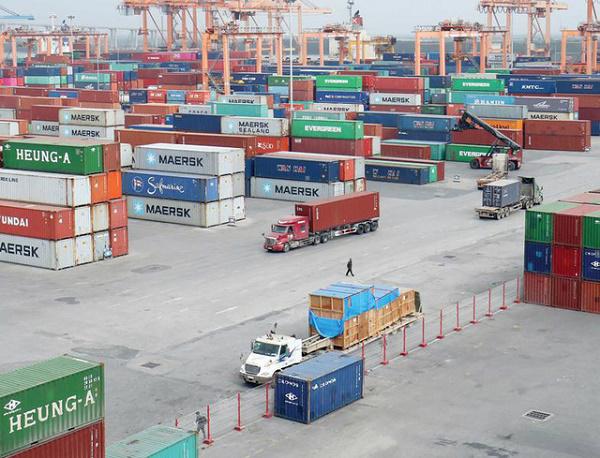
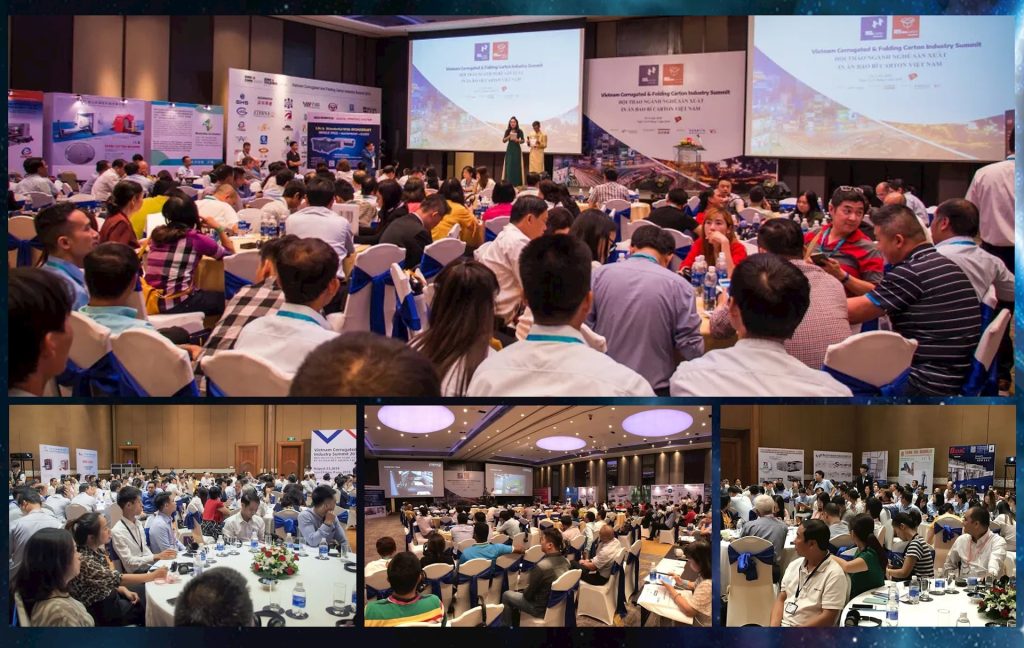
As we navigate the final days of 2025, the global economic landscape is witnessing an unprecedented restructuring of supply chains, with Southeast Asia—and Vietnam in particular—emerging as the world’s new manufacturing hub. However, this rising status comes with an existential challenge: the technological obsolescence of supporting industries, most notably the packaging sector. Within this context, the “Vietnam-China Forum: Connecting and Developing Smart Packaging 2026,” scheduled for January 7, 2026, in Hanoi, represents far more than a mere trade gathering; it serves as the opening salvo in a national strategy to comprehensively modernize production infrastructure. Organized under the auspices of prestigious bodies such as the Vietnam Packaging Association (VINPAS) and the Vietnam Pulp and Paper Association (VPPA), the event is designed to quench the domestic industry’s “thirst” for technology. This is a pivotal moment where Vietnamese enterprises must re-evaluate their standing: will they remain low-cost processors using outdated machinery, or will they transform into high-value supply chain links? The Hanoi Forum provides the answer, acting as a direct bridge connecting Vietnamese businesses to the “tech capital” of Shenzhen, thereby creating momentum for participation in the global WEPACK exhibition series.
The “Smart Packaging” Revolution and Global Green Imperatives
The core focus of the forum, and indeed the dominant trend for the 2026-2030 period, is the ascendancy of “Smart Packaging” and “Green Packaging.” Experts at the forum will delve deep into the reality that modern packaging is no longer just a container, but has evolved into a data communication device. With the integration of RFID chips, variable QR codes, and IoT sensors, smart packaging enables transparent traceability, anti-counterfeiting measures, and direct consumer interaction—now mandatory requirements for demanding markets like the EU and the US. Simultaneously, pressure from new-generation free trade agreements (such as EVFTA and CPTPP) is forcing Vietnamese factories to adhere to strict ESG (Environmental, Social, and Governance) standards. Reports presented at the forum will demonstrate that without investment in automated corrugated production lines, ink-saving digital printing technologies, and biodegradable material solutions, Vietnamese firms face the very real risk of being excised from the supply chains of multinational giants like Samsung, Apple, or Nike. Consequently, the search for equipment solutions from international supply chains—specifically advanced yet cost-effective technology from China—has become more urgent than ever.
The Roadmap from Hanoi to Shenzhen and the 2030 Vision
The conclusion of the Hanoi forum is not an end, but the commencement of a journey to the global stage through the formation of the Vietnam Delegation to attend the SinoCorrugated South 2026 exhibition (part of WEPACK) in Shenzhen in April 2026. This is a strategic maneuver intended to allow Vietnamese business owners to witness firsthand the scale of the global packaging industry, accessing over 1,500 leading equipment and technology suppliers across a sprawling 120,000 square meters. This connection is vital: it enables Vietnamese companies to leapfrog the trial-and-error phase and move directly to adopting proven technologies, thereby narrowing the productivity gap with the region. The year 2026 is shaped up to be the “golden time” for digital transformation and green transition. The success of the Vietnam-China Forum will be measured not merely by the number of contracts signed, but by the shift in the mindset of business leaders: moving from passive production to value creation, ultimately elevating Vietnam’s packaging industry from a “follower” to an equal partner capable of competing squarely on the global industrial map.
Related posts
-
In the first 9 months of 2024, Vietnam’s trade surplus with the US market reached the highest level, followed by the EU and Japanese markets. According to the report of the Ministry of Industry and Trade, with the recovery of the world market and increased export orders, our country’s import and export activities in the...
View more
-
The supply chain is playing a central role in the economy, but the breakdown has not been completely overcome. Over the past two years, disruptions to the global supply chain have led to a sharp drop in capacity and high freight rates, especially for container shipping. The Covid-19 pandemic has always been the main cause of...
View more
-
A New Era for Vietnam’s Packaging Industry: From the 2026 Hanoi Forum to Global Integration in Shenzhen Strategic Context and the Dawn of a New Industrial Alliance As we navigate the final days of 2025, the global economic landscape is witnessing an unprecedented restructuring of supply chains, with Southeast Asia—and Vietnam in particular—emerging as the...
View more
-
The Global Trade Landscape in 2025 In 2025, global trade continues to recover and evolve despite challenges such as geopolitical tensions and economic uncertainties. The World Trade Organization (WTO) recently reported a moderate growth of 2.5% in international trade volume, driven by robust demand in emerging markets and technological advancements in supply chain management. Highlight:...
View more